
A city hums like a machine. Car horns, blinking screens, the constant churn of notifications. Over time, the brain adapts. Attention scatters. Patience shortens. Sleep feels like a battle.
Nature moves at a different speed. A river doesn’t rush because someone is late. Trees don’t stress over deadlines. A mountain doesn’t care about Wi-Fi. Stepping into the wild feels strange at first. The silence is loud. The slowness feels wrong. That’s withdrawal, proof that the body has been rewired for artificial stimulation.
Tuning back in fixes that. It’s not about leaving modern life behind. It’s about experiencing nature in a way that resets the senses. Evergreen, Colorado, surrounded by the foothills of the Rocky Mountains, is the perfect place to do it.
If You Can’t Hear Nature, It’s Because You Forgot How to Listen
City life numbs the senses. Brakes squeal. Conversations blend into a mess of words. The air smells like pavement, gasoline, yesterday’s takeout. The brain filters out most of it to survive. Step into a forest, and that filter sticks. At first, everything feels too quiet.
Try this. Walk one mile at Alderfer/Three Sisters Park without speaking. Count ten distinct sounds. The wind through the pines. A woodpecker hammering a trunk. The chatter of a chickadee. A distant stream. Every time you notice a new sound, the brain sharpens its focus.

Take it further. Kick off the shoes. Walk barefoot on rock, dirt, or grass. The foot has over 7,000 nerve endings. Every texture feeds information back to the brain. Soft pine needles feel different than cool river stones. This isn’t about comfort. It’s about waking up the body’s natural awareness.
Then, focus on temperature. Stand still. Feel the breeze on the face, the heat on the back, the cold air pooling in the shade. The skin constantly measures these changes, but modern life blocks the signals. The goal is to tune back in.
Sitting Still is Hard Because Your Brain is Addicted to Moving
Stillness feels unnatural. The brain craves movement. Scroll. Check. Swipe. Sitting in silence triggers a weird itch to do something. That’s conditioning, not instinct.
Pick a spot by Evergreen Lake. Sit for 30 minutes. No phone. No music. No distractions. At first, the mind fills with static. Random thoughts. A grocery list. That one embarrassing moment from five years ago. Stay longer, and something shifts. The brain adjusts to the rhythm of the wild. Birds move in patterns. Water ripples change with the wind. Shadows stretch. Nature slows the body down, if allowed.
Try watching clouds. Pick one. Follow it across the sky. The world is constantly moving, but not everything demands action.
The Forest is a Free Pharmacy, and It’s Open 24/7
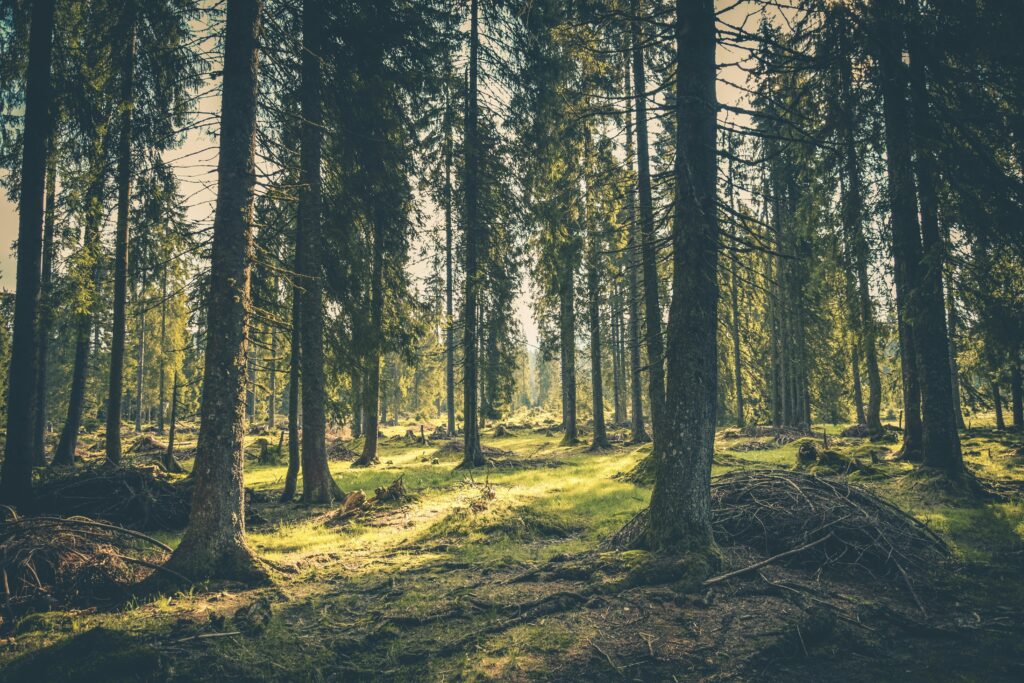
Ever wonder why the forest smells fresh? Pine trees release phytoncides, compounds that lower cortisol and boost immune function. One hour in a forest, and stress hormones drop.
Take it further. Find a patch of dirt. Smell it. That earthy scent? Mycobacterium vaccae, a soil bacterium that boosts serotonin levels. Nature is an antidepressant.
Water works differently. A river, a lake, even a small creek—moving water changes brainwaves. Scientists call it the “blue mind” effect. Watching water lowers heart rate, reduces anxiety, and triggers a state of calm focus. People have stared at campfires and waves for thousands of years because the brain responds to rhythm.
Try syncing breath with movement. Stand near Bear Creek. Inhale as the water flows toward you, exhale as it moves away. Breathing patterns shift without forcing it.
If Your Hand Keeps Reaching for Your Phone, You’re Not in Control
The average person checks a phone 344 times per day. That habit doesn’t disappear in the woods. The hand twitches toward a pocket, even when the screen is off. That’s addiction.

Try a 24-hour detox at Elk Meadow Open Space. No phone. No watch. No digital timekeepers. Let the body dictate when to eat, when to rest, when to move. After dark, let the eyes adjust naturally. No flashlight. No phone screen. The night sharpens the senses.
After 72 hours outdoors, melatonin levels reset. Sleep improves. The body realigns with the sun. That artificial exhaustion from city life fades.
If You Name It, You’ll Never Ignore It Again
Most people walk through nature without seeing it. Everything blurs into “trees” or “birds.” That’s a sign of disconnection.
Learn five plant names in Evergreen. Yarrow, aspen, ponderosa pine, larkspur, wild rose. Suddenly, the forest isn’t a green mass. It’s alive with familiar faces.
Do the same with birds. Learn three calls. A Steller’s jay sounds like a rusty swing. A chickadee says “cheeseburger.” A mountain bluebird’s song is soft and liquid. Knowing the calls makes them impossible to ignore.
Find a favorite spot. Sit there every day for a week. Nature is never still. The world shifts in tiny ways—shadows, animal tracks, wind patterns. The more time spent watching, the more it feels like home.
Wild Isn’t a Place, It’s a Way of Seeing
Nature isn’t a weekend trip. It’s a way of seeing. It’s how morning coffee tastes better outside. How the moon becomes a clock when tracked nightly. How noticing the first spring flowers beats staring at a calendar.
Swap artificial white noise for real sounds. Birds instead of static. Wind instead of mechanical hums. Small shifts pull the body back into rhythm.
The first 30 minutes after returning from nature decide how much stays. Avoid screens. Sit outside. Let the wild settle into the skin. The brain holds onto what it values.
Nature Doesn’t Change You, It Reminds You Who You Are
Evergreen, Colorado, doesn’t reset people. It reminds them. The body remembers how to listen, how to feel, how to move at the right speed. The challenge is simple. Write a letter to nature before leaving. What did it teach? What surprised? What should never be forgotten?
This isn’t about escaping life. It’s about living fully within it.