A getaway sounds perfect. Fresh air, no emails, no sirens wailing in the distance. The real question? How deep do you want to go?
Some want to wake up to birdsong with nothing but a thin layer of nylon between them and the wilderness. Others prefer to sip coffee on a front porch, still surrounded by trees, but with a roof over their heads. Neither is wrong. Both get you out of the city and into nature. One requires a bit more work. The other offers more comfort.
Tents and cabins serve the same purpose—letting you unplug in a beautiful place. They deliver wildly different experiences. Choosing the right one depends on how much you want to rough it, how prepared you feel, and how much effort sounds like fun.
Some People Love the Setup, Others Want to Skip to the Good Part
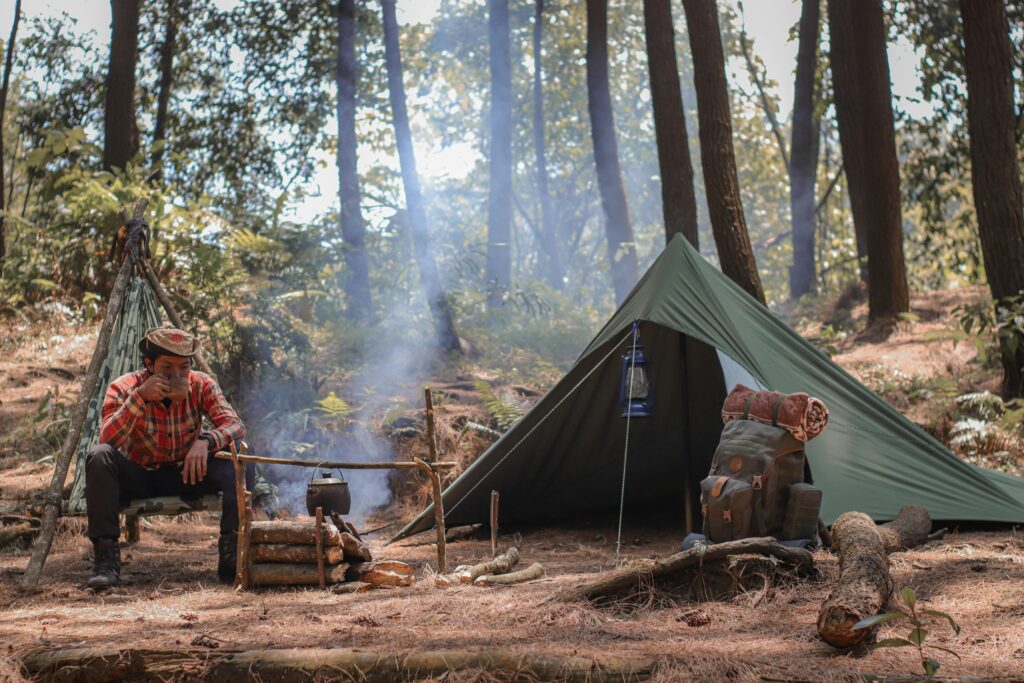
Camping starts before the trip begins. You need gear. A tent, a sleeping bag, a stove, firewood, a cooler, and at least five other things that suddenly feel necessary. Once you arrive, the real work kicks in. A tent doesn’t pop up by itself. A fire doesn’t light itself. Sleeping on the ground without an air pad feels fine until about 3 AM when your hip reminds you that you’re not built like a bear.
A cabin? No setup. Drop your bags, walk inside, and sit down. The most effort you’ll put in is deciding which bed to claim.
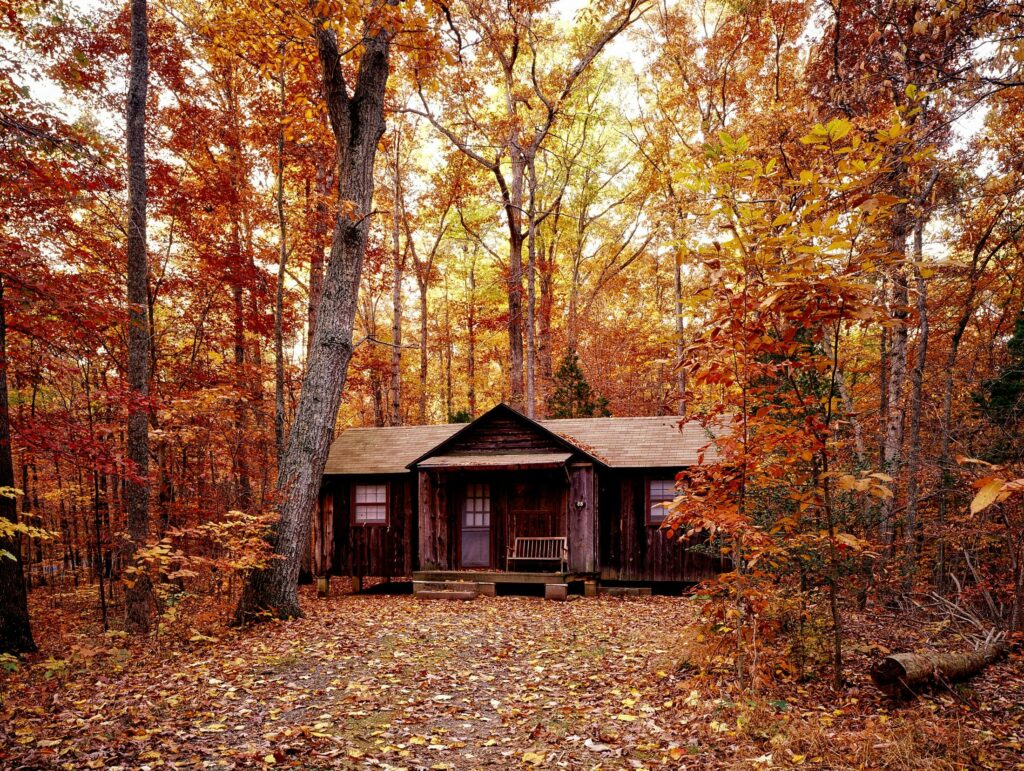
Some people enjoy working for their stay. A sense of accomplishment comes with getting the tent up before sundown. Others want nature without the assembly required.
One is Sleeping Under the Stars, the Other is Sleeping Like a Human
A tent gets you closer to nature than anything else. The sounds of the woods feel sharper. Every crack of a twig, every gust of wind, every distant coyote howl becomes part of the experience. Some find it thrilling. Others start googling “bear safety” at 1 AM.
Cabins keep those sounds at a distance. You hear the wind, but you don’t feel it push against thin tent walls. The wildlife stays outside. You wake up warm, dry, and with zero concerns about whether an animal rifled through your food supply.
Some campers argue that sleeping in a tent feels more natural. That might be true. But nature never invented memory foam mattresses, and there’s a reason humans decided to build houses.
Nature Feels Different When You’re Fully in It vs. Just Near It
Camping puts you inside the wild. A tent is not a barrier. Rain, wind, cold—they reach you. When the sun rises, you wake up because the light seeps in. When the temperature drops, you feel it immediately.
A cabin keeps nature close but controlled. You can step outside and breathe in the morning air, then step back in for a hot shower. The sounds of a creek are still there. The scent of pine still lingers. The mountains surround you, but the elements stay outside.
One experience lets you live in the environment. The other gives you a front-row seat to it.
Cooking Over a Fire is Fun Until It’s Not
Camping food tastes better. Maybe it’s the fresh air. Maybe it’s the satisfaction of making a meal with limited supplies. Cooking over a fire or portable stove feels like an adventure. Until the firewood is wet. Until the wind refuses to let the flame catch. Until the propane runs out halfway through breakfast.
Cabins remove the struggle. A fridge keeps the food cold. A stove works regardless of the weather. Coffee is ready in minutes, and nobody has to build a fire before eating.
Some love the challenge of outdoor cooking. Others prefer eggs that don’t taste slightly of smoke.
Wildlife is a Perk… Until It’s a Problem
Camping makes you part of the ecosystem. A rustling outside the tent could be a harmless raccoon or something bigger. Food storage becomes a real concern. Anything left out attracts visitors, and not all of them are the cute kind.
Cabins let you enjoy wildlife from a safe distance. Deer through a window feel magical. A bear outside the tent feels like a bad idea.
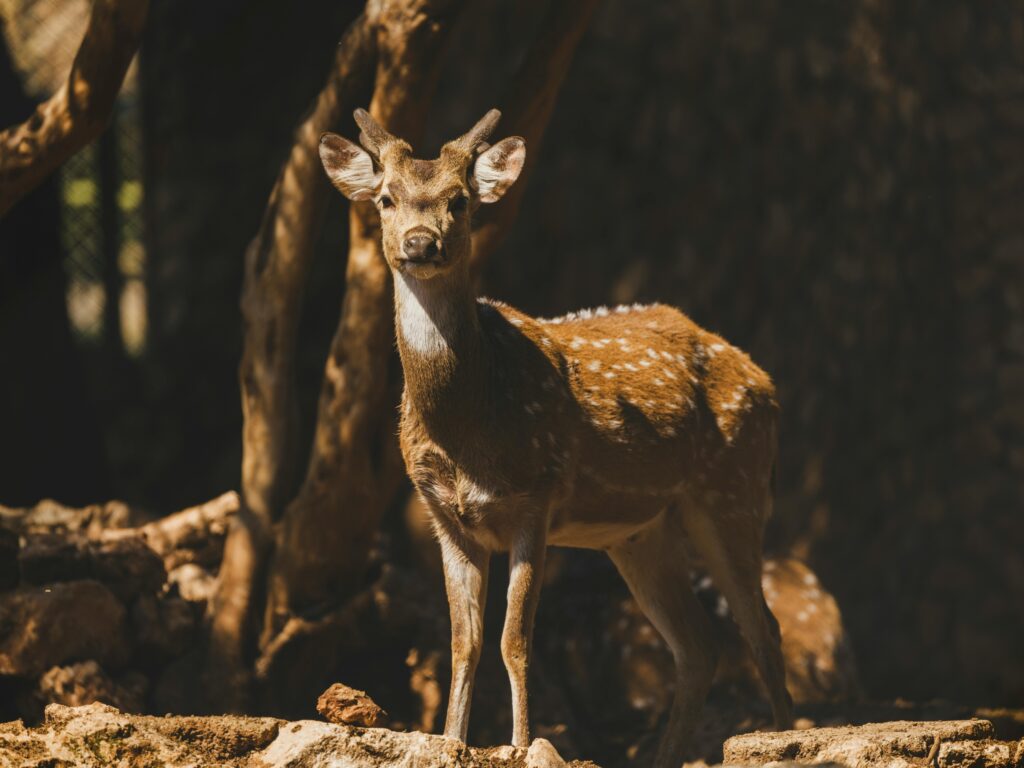
Some people enjoy the thrill of knowing they are sharing space with nature. Others would rather not wake up to find their breakfast missing.
Weather Can Make or Break the Trip
Camping leaves no buffer. If the rain starts, the tent better hold up. If the temperature drops, the sleeping bag better be warm enough. Strong winds, unexpected snow, blazing sun—it all affects the trip directly.
Cabins make weather a non-issue. A storm outside adds to the ambiance instead of creating a survival scenario. Heat and air conditioning make sure comfort levels stay the same no matter what’s happening beyond the walls.
Some people embrace the unpredictability. Others prefer to keep the weather outside, where it belongs.
Cost Looks Different When You Factor in the Effort
Campsites are cheap. Sometimes free. But gear adds up fast. If you don’t already own a tent, sleeping bag, and cooking supplies, the investment can rival the cost of a few nights in a cabin.
Cabins cost more per night. But there’s no gear to buy, no setup, no risk of arriving and realizing you forgot something essential. Everything is ready from the start.
Camping saves money, but the trade-off is effort. Cabins cost more, but the convenience is built-in.
So, Which One Sounds Like You?
Camping works for people who love immersion, enjoy a challenge, and don’t mind roughing it. Every part of the trip feels like an experience, from setting up camp to sleeping under the stars.
Cabins suit those who want nature without sacrificing comfort. They allow full access to hiking, fishing, and exploring while guaranteeing a warm bed at night.
Some swear by the ruggedness of a tent. Others see no reason to skip the cabin’s front porch with a cup of coffee in hand.
No wrong choice exists. Both offer a way to escape, to breathe fresh air, to disconnect from the noise of daily life. The only question? Do you want to hear the wind through a canvas wall or from the other side of a window?