Check In, Chill Out, Level Up: A Rocky Mountain Reset

Ever feel like your brain has too many browser tabs open? City noise, to-do lists, a calendar that laughs at you—yep, we know the vibe. So what happens when you step 30 miles outside of Denver and land in Evergreen, Colorado? You breathe a little deeper. You stop hearing traffic. And you start hearing yourself again.

You don’t have to rush a good thing

Vacations are cute, but you blink and they’re over. That’s why slow stays are catching on. Think remote work with better scenery, a mini sabbatical without the paperwork, or finally taking a breather without needing an excuse.

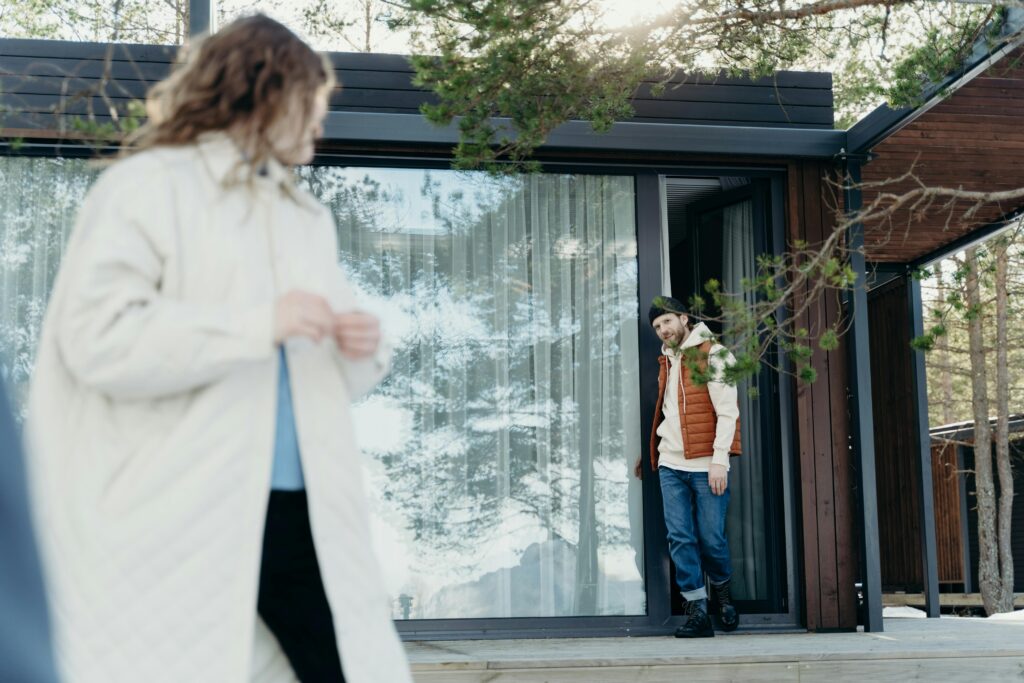
Studio suites for solo rechargers. Three-bedroom cabins for your chaos crew. Kitchens stocked, fireplaces ready, Wi-Fi solid. You could hibernate here for a weekend or move in for a month and still find new things to love. The mountain views change with the light. Your mood probably will too.
Quiet places tend to make loud ideas

You know who comes to Evergreen? Writers dodging deadlines. Couples sketching out their next big idea. Freelancers pretending to take time off but secretly starting side projects. This place kind of demands it.

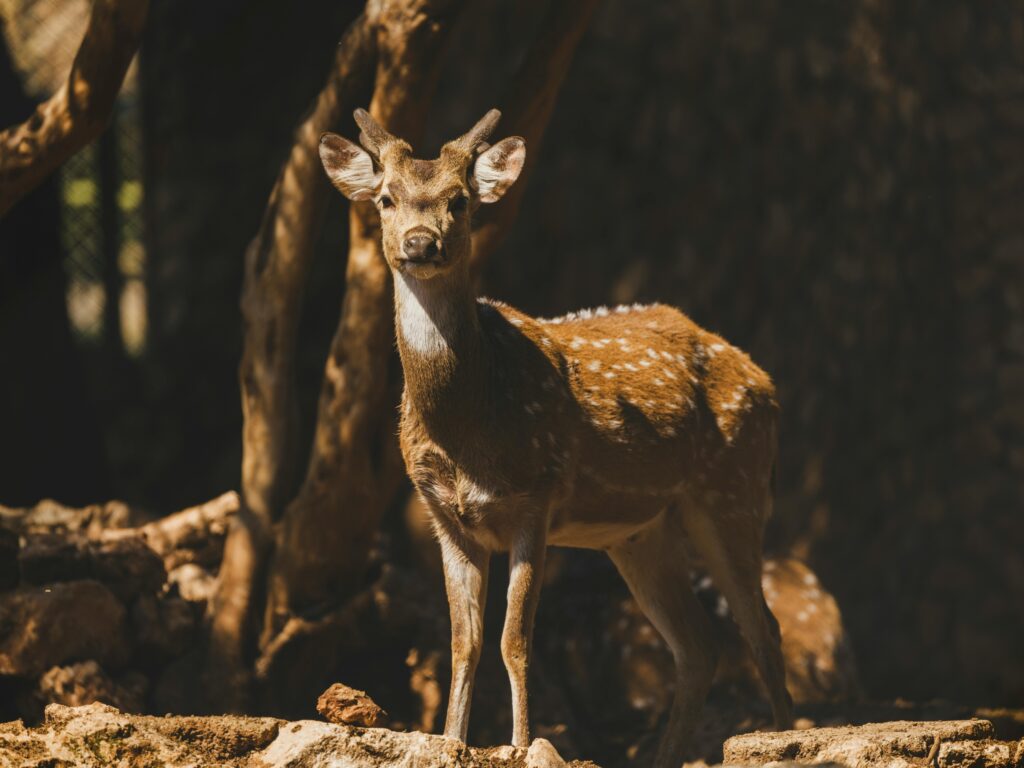
It’s hard to scroll endlessly when an elk walks past your window. The quiet messes with you in the best way. You get ideas you didn’t know were in there. You might even surprise yourself and do something wildly productive—without meaning to.

Try picking up a new skill while the coffee brews

Let’s say you’ve hit pause on the daily grind. Now what? There’s only so much hot tub time one person can handle. For folks staying longer, or anyone wired to make the most of their downtime, there’s a pretty cool option: learning a hands-on skill from your cabin.

Ever thought about taking locksmith classes online? Seriously. It’s practical, kind of underrated, and very doable from a cozy couch with a view. Whether you’re plotting a career change, adding a new income stream, or figuring out what’s next, this one’s solid. Especially for people who like puzzles, tools, or working with their hands.

Veterans love it. So do solo travelers who need something more engaging than reading the same paperback three times. Study in the morning. Hike in the afternoon. Fix your brain while watching foxes dart through the trees. Win-win.
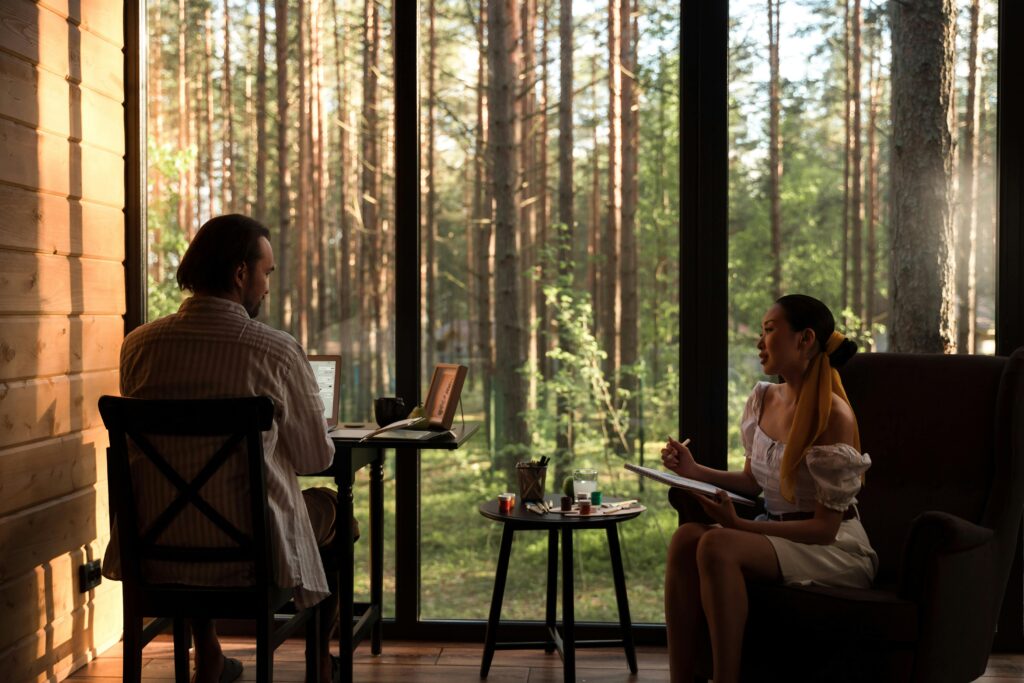
The trail is out the door and so is the peace

There’s a 1,000-acre park right outside. Go for a hike. Bike a trail. Spot a moose. Or kayak on Evergreen Lake five minutes down the road. You could spend all day out there. Or come back inside, curl up with a mug and a blanket, and feel like you did something amazing. Both count.
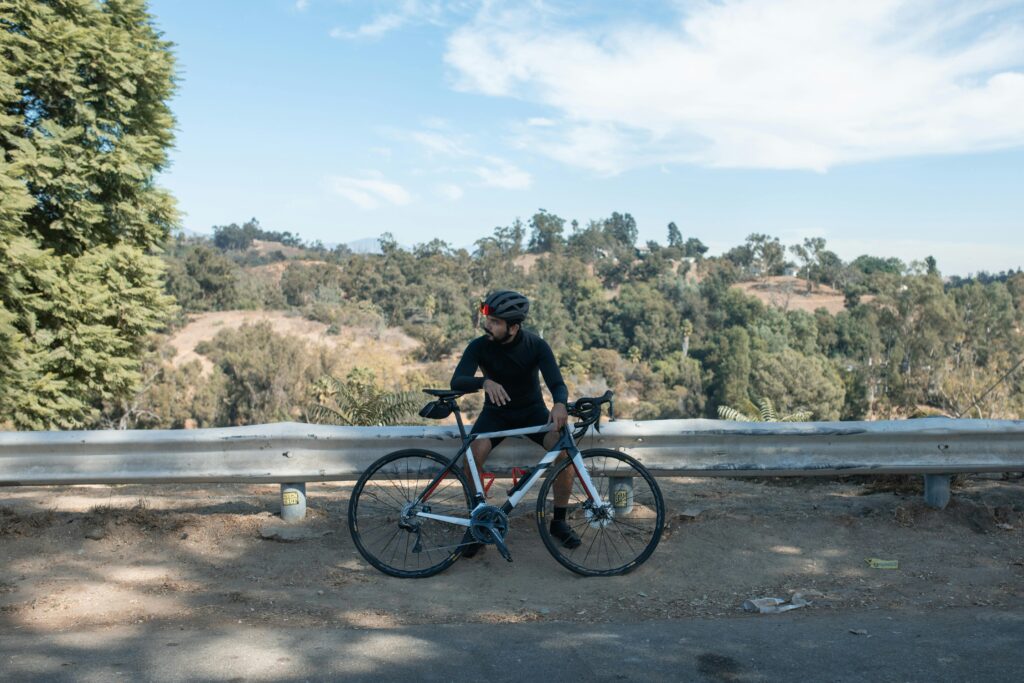
You came for the quiet but you might leave with a new idea

You arrive looking for quiet. You leave with something else—maybe a new idea, a fresh skill, or actual rest that stuck. Evergreen slows you down without making you feel stuck.

Next time you need a reset, think trees, mountains, and maybe even a little locksmithing on the side. Why not?
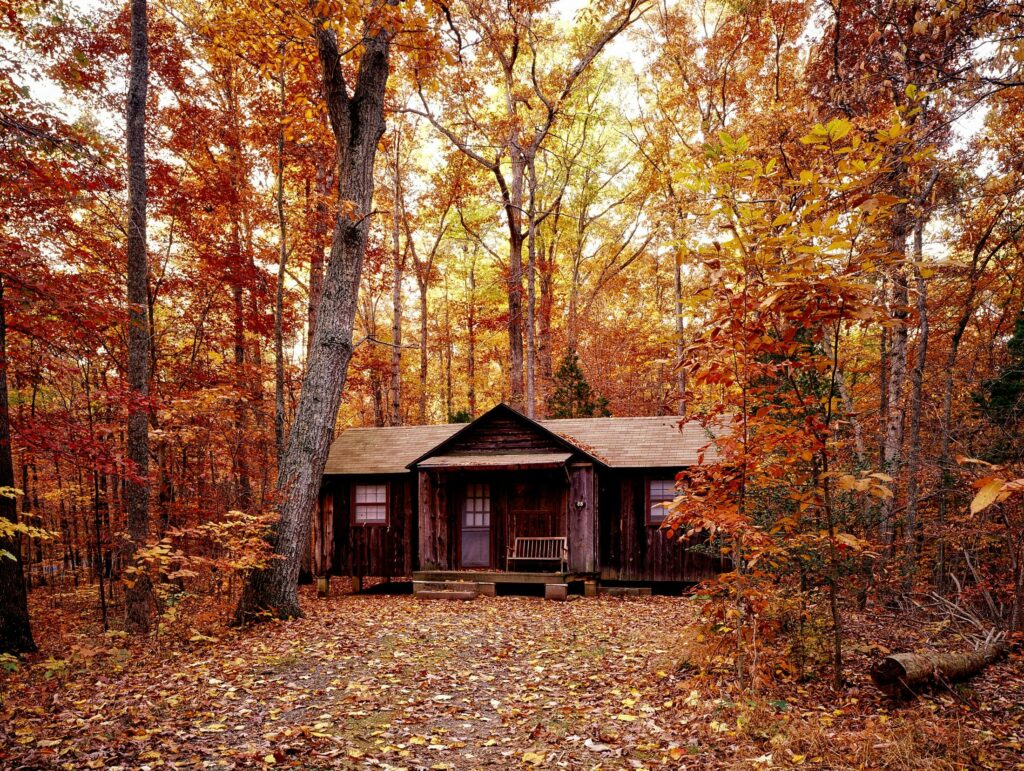
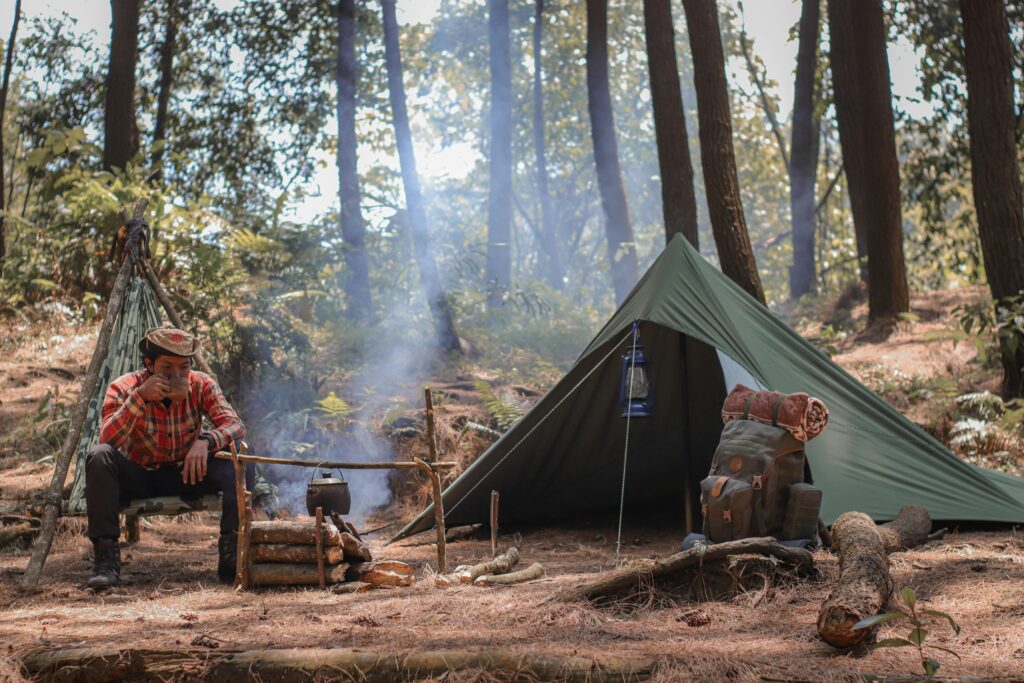
Camping vs. Cabin Life: Which Immersive Nature Experience Fits You Best?

A getaway sounds perfect. Fresh air, no emails, no sirens wailing in the distance. The real question? How deep do you want to go?

Some want to wake up to birdsong with nothing but a thin layer of nylon between them and the wilderness. Others prefer to sip coffee on a front porch, still surrounded by trees, but with a roof over their heads. Neither is wrong. Both get you out of the city and into nature. One requires a bit more work. The other offers more comfort.

Tents and cabins serve the same purpose—letting you unplug in a beautiful place. They deliver wildly different experiences. Choosing the right one depends on how much you want to rough it, how prepared you feel, and how much effort sounds like fun.

Some People Love the Setup, Others Want to Skip to the Good Part

Camping starts before the trip begins. You need gear. A tent, a sleeping bag, a stove, firewood, a cooler, and at least five other things that suddenly feel necessary. Once you arrive, the real work kicks in. A tent doesn’t pop up by itself. A fire doesn’t light itself. Sleeping on the ground without an air pad feels fine until about 3 AM when your hip reminds you that you’re not built like a bear.

A cabin? No setup. Drop your bags, walk inside, and sit down. The most effort you’ll put in is deciding which bed to claim.

Some people enjoy working for their stay. A sense of accomplishment comes with getting the tent up before sundown. Others want nature without the assembly required.

One is Sleeping Under the Stars, the Other is Sleeping Like a Human

A tent gets you closer to nature than anything else. The sounds of the woods feel sharper. Every crack of a twig, every gust of wind, every distant coyote howl becomes part of the experience. Some find it thrilling. Others start googling “bear safety” at 1 AM.

Cabins keep those sounds at a distance. You hear the wind, but you don’t feel it push against thin tent walls. The wildlife stays outside. You wake up warm, dry, and with zero concerns about whether an animal rifled through your food supply.

Some campers argue that sleeping in a tent feels more natural. That might be true. But nature never invented memory foam mattresses, and there’s a reason humans decided to build houses.

Nature Feels Different When You’re Fully in It vs. Just Near It

Camping puts you inside the wild. A tent is not a barrier. Rain, wind, cold—they reach you. When the sun rises, you wake up because the light seeps in. When the temperature drops, you feel it immediately.

A cabin keeps nature close but controlled. You can step outside and breathe in the morning air, then step back in for a hot shower. The sounds of a creek are still there. The scent of pine still lingers. The mountains surround you, but the elements stay outside.

One experience lets you live in the environment. The other gives you a front-row seat to it.

Cooking Over a Fire is Fun Until It’s Not

Camping food tastes better. Maybe it’s the fresh air. Maybe it’s the satisfaction of making a meal with limited supplies. Cooking over a fire or portable stove feels like an adventure. Until the firewood is wet. Until the wind refuses to let the flame catch. Until the propane runs out halfway through breakfast.

Cabins remove the struggle. A fridge keeps the food cold. A stove works regardless of the weather. Coffee is ready in minutes, and nobody has to build a fire before eating.

Some love the challenge of outdoor cooking. Others prefer eggs that don’t taste slightly of smoke.

Wildlife is a Perk… Until It’s a Problem

Camping makes you part of the ecosystem. A rustling outside the tent could be a harmless raccoon or something bigger. Food storage becomes a real concern. Anything left out attracts visitors, and not all of them are the cute kind.

Cabins let you enjoy wildlife from a safe distance. Deer through a window feel magical. A bear outside the tent feels like a bad idea.

Some people enjoy the thrill of knowing they are sharing space with nature. Others would rather not wake up to find their breakfast missing.

Weather Can Make or Break the Trip

Camping leaves no buffer. If the rain starts, the tent better hold up. If the temperature drops, the sleeping bag better be warm enough. Strong winds, unexpected snow, blazing sun—it all affects the trip directly.

Cabins make weather a non-issue. A storm outside adds to the ambiance instead of creating a survival scenario. Heat and air conditioning make sure comfort levels stay the same no matter what’s happening beyond the walls.

Some people embrace the unpredictability. Others prefer to keep the weather outside, where it belongs.

Cost Looks Different When You Factor in the Effort

Campsites are cheap. Sometimes free. But gear adds up fast. If you don’t already own a tent, sleeping bag, and cooking supplies, the investment can rival the cost of a few nights in a cabin.

Cabins cost more per night. But there’s no gear to buy, no setup, no risk of arriving and realizing you forgot something essential. Everything is ready from the start.

Camping saves money, but the trade-off is effort. Cabins cost more, but the convenience is built-in.

So, Which One Sounds Like You?

Camping works for people who love immersion, enjoy a challenge, and don’t mind roughing it. Every part of the trip feels like an experience, from setting up camp to sleeping under the stars.

Cabins suit those who want nature without sacrificing comfort. They allow full access to hiking, fishing, and exploring while guaranteeing a warm bed at night.

Some swear by the ruggedness of a tent. Others see no reason to skip the cabin’s front porch with a cup of coffee in hand.

No wrong choice exists. Both offer a way to escape, to breathe fresh air, to disconnect from the noise of daily life. The only question? Do you want to hear the wind through a canvas wall or from the other side of a window?

How to Reconnect with Nature and Unwind from City Life

A city hums like a machine. Car horns, blinking screens, the constant churn of notifications. Over time, the brain adapts. Attention scatters. Patience shortens. Sleep feels like a battle.

Nature moves at a different speed. A river doesn’t rush because someone is late. Trees don’t stress over deadlines. A mountain doesn’t care about Wi-Fi. Stepping into the wild feels strange at first. The silence is loud. The slowness feels wrong. That’s withdrawal, proof that the body has been rewired for artificial stimulation.

Tuning back in fixes that. It’s not about leaving modern life behind. It’s about experiencing nature in a way that resets the senses. Evergreen, Colorado, surrounded by the foothills of the Rocky Mountains, is the perfect place to do it.

If You Can’t Hear Nature, It’s Because You Forgot How to Listen

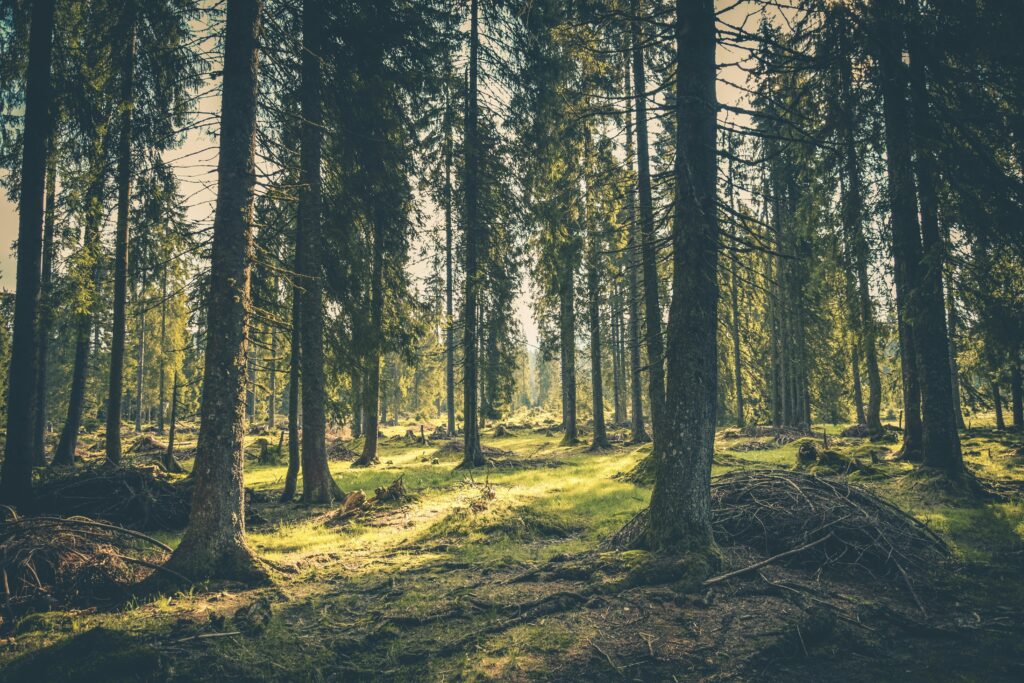
City life numbs the senses. Brakes squeal. Conversations blend into a mess of words. The air smells like pavement, gasoline, yesterday’s takeout. The brain filters out most of it to survive. Step into a forest, and that filter sticks. At first, everything feels too quiet.

Try this. Walk one mile at Alderfer/Three Sisters Park without speaking. Count ten distinct sounds. The wind through the pines. A woodpecker hammering a trunk. The chatter of a chickadee. A distant stream. Every time you notice a new sound, the brain sharpens its focus.

Take it further. Kick off the shoes. Walk barefoot on rock, dirt, or grass. The foot has over 7,000 nerve endings. Every texture feeds information back to the brain. Soft pine needles feel different than cool river stones. This isn’t about comfort. It’s about waking up the body’s natural awareness.

Then, focus on temperature. Stand still. Feel the breeze on the face, the heat on the back, the cold air pooling in the shade. The skin constantly measures these changes, but modern life blocks the signals. The goal is to tune back in.

Sitting Still is Hard Because Your Brain is Addicted to Moving

Stillness feels unnatural. The brain craves movement. Scroll. Check. Swipe. Sitting in silence triggers a weird itch to do something. That’s conditioning, not instinct.

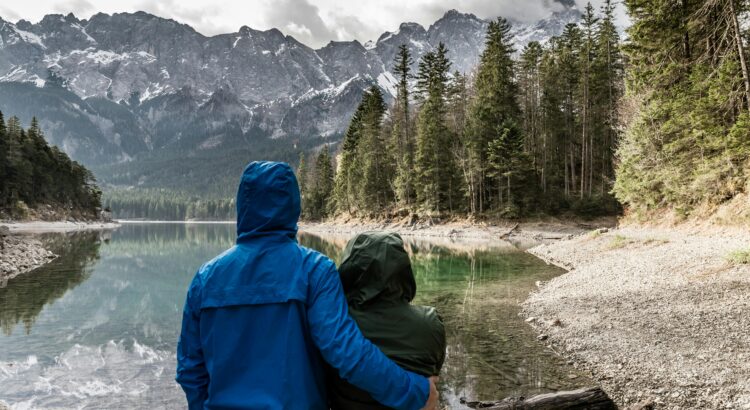
Pick a spot by Evergreen Lake. Sit for 30 minutes. No phone. No music. No distractions. At first, the mind fills with static. Random thoughts. A grocery list. That one embarrassing moment from five years ago. Stay longer, and something shifts. The brain adjusts to the rhythm of the wild. Birds move in patterns. Water ripples change with the wind. Shadows stretch. Nature slows the body down, if allowed.

Try watching clouds. Pick one. Follow it across the sky. The world is constantly moving, but not everything demands action.

The Forest is a Free Pharmacy, and It’s Open 24/7

Ever wonder why the forest smells fresh? Pine trees release phytoncides, compounds that lower cortisol and boost immune function. One hour in a forest, and stress hormones drop.

Take it further. Find a patch of dirt. Smell it. That earthy scent? Mycobacterium vaccae, a soil bacterium that boosts serotonin levels. Nature is an antidepressant.

Water works differently. A river, a lake, even a small creek—moving water changes brainwaves. Scientists call it the “blue mind” effect. Watching water lowers heart rate, reduces anxiety, and triggers a state of calm focus. People have stared at campfires and waves for thousands of years because the brain responds to rhythm.

Try syncing breath with movement. Stand near Bear Creek. Inhale as the water flows toward you, exhale as it moves away. Breathing patterns shift without forcing it.

If Your Hand Keeps Reaching for Your Phone, You’re Not in Control

The average person checks a phone 344 times per day. That habit doesn’t disappear in the woods. The hand twitches toward a pocket, even when the screen is off. That’s addiction.

Try a 24-hour detox at Elk Meadow Open Space. No phone. No watch. No digital timekeepers. Let the body dictate when to eat, when to rest, when to move. After dark, let the eyes adjust naturally. No flashlight. No phone screen. The night sharpens the senses.

After 72 hours outdoors, melatonin levels reset. Sleep improves. The body realigns with the sun. That artificial exhaustion from city life fades.

If You Name It, You’ll Never Ignore It Again

Most people walk through nature without seeing it. Everything blurs into “trees” or “birds.” That’s a sign of disconnection.

Learn five plant names in Evergreen. Yarrow, aspen, ponderosa pine, larkspur, wild rose. Suddenly, the forest isn’t a green mass. It’s alive with familiar faces.

Do the same with birds. Learn three calls. A Steller’s jay sounds like a rusty swing. A chickadee says “cheeseburger.” A mountain bluebird’s song is soft and liquid. Knowing the calls makes them impossible to ignore.

Find a favorite spot. Sit there every day for a week. Nature is never still. The world shifts in tiny ways—shadows, animal tracks, wind patterns. The more time spent watching, the more it feels like home.

Wild Isn’t a Place, It’s a Way of Seeing

Nature isn’t a weekend trip. It’s a way of seeing. It’s how morning coffee tastes better outside. How the moon becomes a clock when tracked nightly. How noticing the first spring flowers beats staring at a calendar.

Swap artificial white noise for real sounds. Birds instead of static. Wind instead of mechanical hums. Small shifts pull the body back into rhythm.

The first 30 minutes after returning from nature decide how much stays. Avoid screens. Sit outside. Let the wild settle into the skin. The brain holds onto what it values.

Nature Doesn’t Change You, It Reminds You Who You Are

Evergreen, Colorado, doesn’t reset people. It reminds them. The body remembers how to listen, how to feel, how to move at the right speed. The challenge is simple. Write a letter to nature before leaving. What did it teach? What surprised? What should never be forgotten?

This isn’t about escaping life. It’s about living fully within it.